.png)
What Is Dental Erosion and Why Does It Matter
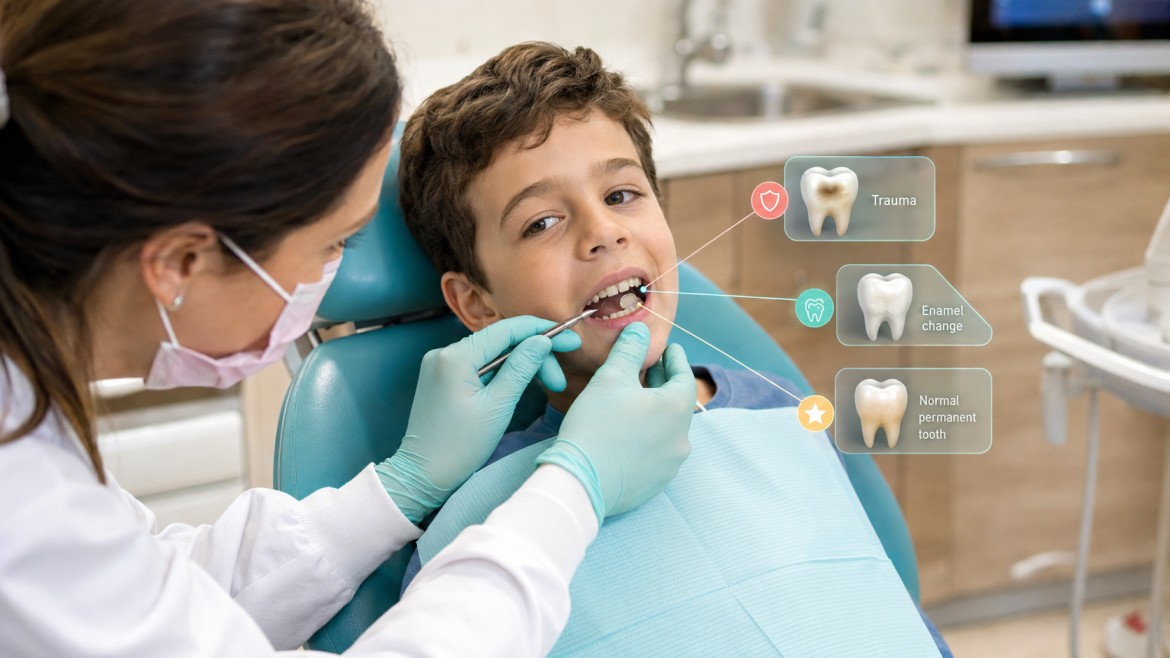
Dental erosion is the gradual loss of tooth enamel caused by acid exposure. Unlike cavities, which develop from bacterial activity, enamel erosion occurs when acids from food, drinks, or stomach acid dissolve the hard outer surface of your teeth.
Enamel is the strongest substance in the human body, but it does not regenerate once lost. That is why dental erosion treatment in Lafayette is critical before the damage progresses to deeper layers of the tooth, including dentin and pulp.
Left untreated, enamel loss leads to sensitivity, discoloration, tooth fractures, and eventually tooth loss. Early intervention protects both the function and appearance of your smile.
Common Causes of Enamel Erosion
Understanding what causes enamel erosion helps you prevent further damage. The most common causes include:
- Frequent consumption of acidic foods and drinks, such as citrus fruits, sodas, and sports drinks
- Acid reflux or GERD, which exposes teeth to stomach acid
- Dry mouth, which reduces saliva that normally neutralizes acid
- Bulimia or frequent vomiting
- Excessive brushing with a hard-bristle toothbrush
- Certain medications that lower the mouth pH
Signs and Symptoms of Tooth Enamel Loss
Many patients do not realize they have enamel erosion until a dentist identifies it. Common signs include:
- Tooth sensitivity to hot, cold, or sweet foods
- Yellowing of teeth as dentin becomes more visible
- Rounded or smooth edges on teeth
- Transparent appearance along the biting edges of front teeth
- Chipping or cracking more easily than before
- Dents or cups appearing on the tooth surface
If you notice any of these symptoms, scheduling a dental exam in Lafayette as soon as possible is the right move.
Why Seek Dental Erosion Treatment in Lafayette, LA
Benefits of Choosing a Local Lafayette Dentist
Choosing a dentist in Lafayette means consistent, relationship-based care. Your provider builds a full picture of your oral health history, tracks erosion progression over time, and adjusts your treatment plan accordingly.
Local care also means shorter travel times, easier appointment scheduling, and faster follow-up visits when needed. For ongoing conditions like enamel loss, regular monitoring is not optional.
Access to Advanced Dental Technology and Care
Lafayette dental practices now use digital X-rays, intraoral cameras, and 3D imaging to detect erosion earlier and plan restorations more precisely. These tools allow dentists to identify enamel thinning before it becomes visible to the naked eye, giving patients a head start on treatment.
Personalized Treatment Plans for Local Patients
No two cases of dental erosion are identical. A Lafayette dentist evaluates your diet, lifestyle, medical history, and the current severity of your enamel loss before recommending treatment. The result is a plan built around your specific situation, not a generic protocol.
Types of Dental Erosion Treatments Available
Fluoride Treatments to Strengthen Enamel
Professional fluoride treatments are often the first line of defense for mild enamel erosion. High-concentration fluoride varnishes or gels help remineralize weakened enamel and reduce sensitivity. While fluoride cannot restore enamel that is already gone, it strengthens what remains and slows further deterioration.
Dental Bonding for Minor Enamel Damage
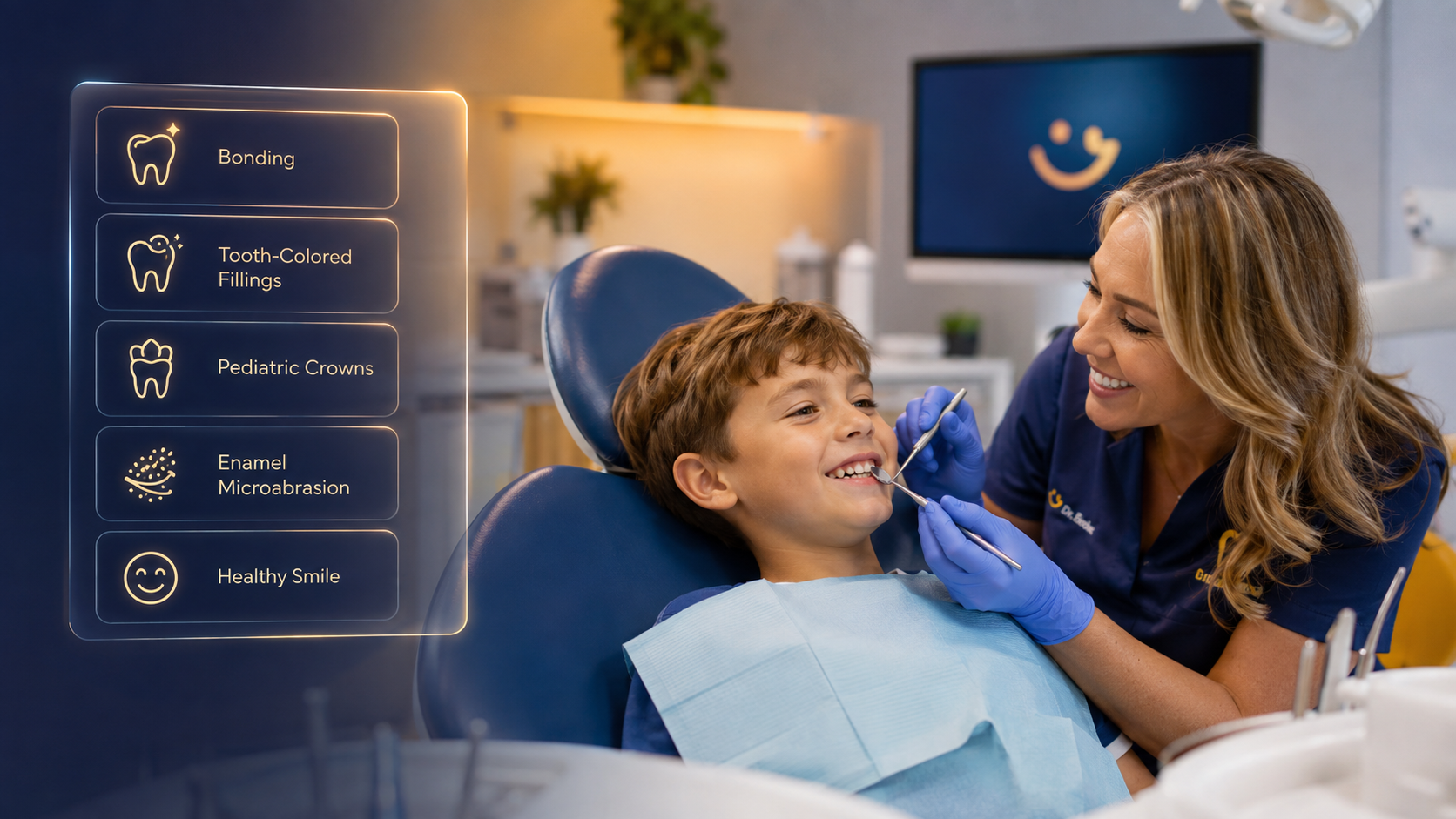
Dental bonding applies a tooth-colored composite resin directly to eroded surfaces. It restores the shape, color, and function of mildly damaged teeth in a single appointment. Bonding is minimally invasive, cost-effective, and a strong option for patients with localized erosion.
Dental Crowns and Onlays for Severe Tooth Wear
When enamel erosion is extensive, a crown or onlay becomes necessary to fully protect and restore the tooth. A crown covers the entire visible portion of the tooth, while an onlay covers a partial area. Both options are durable and designed to withstand the pressure of daily chewing.
For comprehensive restorative care, explore the restorative dentistry services at Make Your Kids Smile, where erosion-related damage is treated with precision and long-term outcomes in mind.
Veneers as a Cosmetic and Protective Solution
Porcelain veneers are thin shells bonded to the front surface of teeth. They are an effective solution for patients whose front teeth have visible erosion damage. Veneers improve appearance while adding a protective layer over weakened enamel. They work best for patients whose erosion is controlled and not actively progressing.
Preventative Dental Care and Maintenance
Preventive care is both a treatment and a long-term strategy. Regular cleanings, fluoride applications, and dental sealants help protect vulnerable teeth. Your dentist in Lafayette may also recommend custom mouthguards for patients who grind their teeth, which accelerates enamel wear.
Comparing Dental Erosion Treatment Options
Best Treatments for Mild, Moderate, and Severe Erosion
Mild erosion responds well to fluoride therapy and dietary changes combined with monitoring. Moderate erosion typically requires dental bonding or veneers to restore structure and appearance. Severe erosion, where significant tooth structure is lost, often requires crowns, onlays, or in advanced cases, full-mouth reconstruction.
Dental Bonding vs Crowns vs Veneers
Dental bonding is the least invasive and least expensive option, but it is less durable and may need replacement sooner. Veneers offer a middle ground, providing an aesthetically superior finish with moderate durability. Crowns are the most protective option for teeth with significant structural damage, offering the highest durability but requiring more tooth preparation.
Longevity and Durability of Each Treatment
- Dental bonding: 5 to 10 years with proper care
- Porcelain veneers: 10 to 20 years
- Dental crowns: 15 to 30 years
- Fluoride treatments: Ongoing, with regular reapplication
Lifespan depends on oral hygiene habits, diet, and whether the underlying cause of erosion has been addressed.
Cost of Dental Erosion Treatment in Lafayette, LA
Average Cost of Common Procedures
Treatment costs in Lafayette vary based on severity and procedure type. General estimates include:
- Fluoride treatments: $25 to $50 per session
- Dental bonding: $200 to $600 per tooth
- Porcelain veneers: $900 to $2,500 per tooth
- Dental crowns: $1,000 to $1,800 per tooth
These figures are estimates. Your dentist will provide a detailed quote after your examination.
Factors That Affect Treatment Pricing
Several variables affect the total cost of dental erosion treatment in Lafayette:
- Number of teeth affected
- Severity of enamel loss
- Type of material used (composite, porcelain, zirconia)
- Dentist experience and practice location
- Whether additional procedures like X-rays or impressions are needed
Insurance Coverage and Financing Options
Some dental insurance plans cover a portion of restorative treatments when deemed medically necessary. Cosmetic procedures like veneers are typically not covered. Most Lafayette dental offices offer financing options such as CareCredit or in-house payment plans to make treatment accessible. Always verify your coverage before committing to a treatment plan.
What to Expect During Dental Erosion Treatment
Initial Consultation and Diagnosis
Your first appointment involves a full oral exam, digital X-rays, and often photographs of your teeth. Your dentist will assess the extent of enamel loss, identify contributing factors, and discuss your symptoms. This diagnostic phase is the foundation of your treatment plan.
Treatment Planning and Procedure Steps
After diagnosis, your dentist presents a treatment plan with a clear sequence of steps. For bonding, the process typically involves cleaning the tooth, applying the resin, shaping it, and curing it with a special light. For crowns or veneers, there may be multiple appointments, including preparation, impressions, and final placement.
Recovery and Aftercare Process
Most dental erosion treatments have minimal recovery time. Some post-procedure sensitivity is normal, especially after crown placement. Your dentist will provide specific aftercare instructions. Avoiding acidic foods and beverages for at least 24 hours after treatment helps protect the restoration.
Preventing Further Enamel Erosion
Dietary Changes to Protect Tooth Enamel
Diet is one of the most direct ways to slow or stop enamel erosion. Practical changes include:
- Limiting sodas, citrus juices, and sports drinks
- Drinking acidic beverages through a straw to reduce tooth contact
- Rinsing with water after consuming acidic foods
- Eating dairy products, which help neutralize mouth acid
- Waiting 30 minutes after eating acidic foods before brushing
Oral Hygiene Best Practices
Brush twice daily with a soft-bristled toothbrush and fluoride toothpaste. Avoid brushing immediately after eating acidic foods, as enamel is temporarily softened and more vulnerable. Floss daily and use an alcohol-free fluoride mouthwash to strengthen enamel between brushings.
Dentist-Recommended Products for Enamel Protection
Your dentist may recommend specific products to support enamel health, including:
- Prescription-strength fluoride toothpaste
- Remineralizing toothpaste containing hydroxyapatite
- Neutral pH mouthwashes
- Xylitol-based products that reduce acid-producing bacteria
Lifestyle Habits That Reduce Tooth Wear
Beyond diet, certain habits directly contribute to enamel loss. Avoiding teeth grinding (bruxism) with a custom nightguard, treating acid reflux with your physician, staying hydrated to support saliva production, and quitting acidic habits like chewing on lemon slices all make a meaningful difference.
Managing Tooth Sensitivity Caused by Erosion
Causes of Sensitivity from Enamel Loss
When enamel wears away, the underlying dentin becomes exposed. Dentin contains tiny tubules connected to the tooth's nerve. Temperature changes, sweet foods, and even air exposure can trigger a sharp, temporary pain response through these exposed channels.
Treatment Options for Sensitive Teeth
Desensitizing toothpaste is a first-line recommendation for mild sensitivity. In-office treatments include fluoride varnish application, dentin bonding agents, and, in more severe cases, coverage with bonding or crowns to physically seal the exposed area. Your Lafayette dentist will match the sensitivity treatment to the underlying cause.
Long-Term Sensitivity Management
Managing sensitivity long-term requires addressing the root cause of erosion. Treating acid reflux, adjusting diet, using remineralizing products, and attending regular dental checkups in Lafayette create a sustainable framework for keeping sensitivity under control.
When Dental Erosion Becomes a Serious Problem
Warning Signs You Need Immediate Treatment
Some signs indicate erosion has reached a critical stage and requires prompt attention:
- Severe or persistent tooth pain
- Visible cracks or fractures in teeth
- Teeth that appear significantly shorter than before
- A sudden increase in sensitivity
- Noticeable changes in your bite
Risks of Ignoring Enamel Loss
Delaying treatment allows erosion to progress into dentin and eventually the pulp chamber. This increases the risk of infection, the need for root canals, and ultimately tooth loss. Replacing a lost tooth is significantly more expensive and complex than treating erosion early.
When to See a Dentist in Lafayette
If you experience any symptoms of enamel erosion, do not wait for your next routine cleaning. Schedule an appointment specifically to discuss your concerns. Early diagnosis is the most effective tool for preserving your natural teeth.
Choosing the Best Dentist for Dental Erosion Treatment in Lafayette
What to Look for in a Dental Professional
Look for a dentist with documented experience in restorative dentistry and a clear process for diagnosing and treating enamel erosion. A good provider explains findings clearly, presents multiple treatment options, and prioritizes conservative care before recommending invasive procedures.
Questions to Ask Before Starting Treatment
Before committing to any plan, ask your dentist:
- What stage of erosion am I at?
- What is causing my erosion, and how do we address that?
- What are my treatment options and their trade-offs?
- How long will the recommended treatment last?
- What happens if I delay treatment?
Importance of Experience in Restorative Dentistry
Restorative dentistry requires both clinical precision and an understanding of how treatments will function long-term. An experienced restorative dentist evaluates not just aesthetics but bite alignment, material strength, and the patient's overall oral health when planning treatment. For patients in Lafayette, accessing that level of expertise locally matters.
Learn more about what restorative care looks like at Make Your Kids Smile's restorative dentistry.
Frequently Asked Questions About Dental Erosion Treatment
Can Tooth Enamel Grow Back?
No. Enamel does not regenerate because the cells that produce it are no longer active after teeth fully develop. However, weakened enamel can be remineralized to some degree using fluoride and hydroxyapatite-based products. This strengthens existing enamel but does not replace what has already been lost.
Is Dental Erosion Reversible?
Mild erosion can be stabilized, and its progression halted with the right interventions. However, structural enamel loss is not reversible without restorative treatment. The goal is to stop further damage and restore form and function using bonding, veneers, or crowns, depending on severity.
How Long Do Treatments Last?
Treatment lifespan varies by procedure. Bonding lasts 5 to 10 years. Veneers last 10 to 20 years. Crowns can last 15 to 30 years. All restorations last longer with proper oral hygiene and regular dental visits.
Is Dental Bonding Permanent?
Dental bonding is not permanent. It is a long-lasting but temporary restoration that eventually chips, stains, or wears and will need to be replaced. With good care, bonding provides years of functional and aesthetic benefit before replacement is needed.
What Is the Fastest Way to Fix Enamel Loss?
Dental bonding is the fastest treatment for visible enamel loss, often completed in a single appointment. For more severe damage, crowns or veneers require multiple visits but provide more durable results. Your dentist will recommend the fastest appropriate option based on your specific condition.
Schedule a Dental Erosion Consultation in Lafayette, LA
Benefits of Early Diagnosis and Treatment
Early diagnosis means simpler, less invasive, and less expensive treatment. A dentist who catches erosion in its early stages can often manage it with fluoride therapy and lifestyle changes rather than restorative procedures. The longer erosion goes unaddressed, the more complex and costly treatment becomes.
How to Book an Appointment
Booking a consultation is straightforward. Call the dental office directly, use their online booking tool, or visit their website to request an appointment. When scheduling, mention that you are concerned about enamel erosion so the team can allocate adequate time for a full evaluation.
What to Expect at Your First Visit
At your first visit, expect a comprehensive oral exam, digital imaging, and a detailed conversation about your symptoms and habits. Your dentist will explain what they find, discuss what may be causing your erosion, and outline the treatment options best suited to your situation. You will leave with a clear picture of where your oral health stands and a defined path forward.
For patients looking for trusted restorative care in Lafayette, the team at Make Your Kids Smile offers personalized treatment for enamel erosion and a full range of restorative dental services designed to protect and restore your smile at every stage.