.png)

Have you ever avoided smiling in photos because of a cracked or missing tooth? Or maybe you have been putting off a dental visit even though something just does not feel right? You are not alone. Millions of people deal with damaged, decayed, or missing teeth every year, and the good news is that modern dentistry has solutions for all of it.
Restorative dentistry is the branch of dental care focused on repairing and replacing damaged or missing teeth so your mouth can function properly again. Whether you have a single cavity or need multiple teeth replaced, restorative dental treatments can bring your smile and your confidence back.
At Dr. Leslie Jacobs Pediatric Dentistry in Lafayette, LA, our team helps patients of all ages understand their options and get the care they need in a comfortable, welcoming environment. This guide will walk you through everything you need to know about restorative dentistry, from what it is and who needs it, to how much it costs right here in Lafayette.
What Is Restorative Dentistry?
According to the American Dental Association, Restorative dentistry is an area of dental care that focuses on diagnosing, treating, and restoring teeth that have been damaged, decayed, or lost. The main goal is simple: to bring your teeth back to their normal function, shape, and appearance.
When a tooth is broken, infected, or missing, it does not just affect how you look. It affects how you chew, how you speak, and even the long-term health of your jawbone. Restorative dental treatments are designed to fix these problems before they get worse.
The Primary Goals of Restorative Dentistry
- Restore the ability to chew and speak properly
- Eliminate pain and discomfort caused by damaged teeth
- Prevent further decay or infection from spreading
- Preserve the natural structure of the tooth wherever possible
- Maintain the alignment and health of surrounding teeth
- Support the jawbone and prevent bone loss
Who Performs Restorative Dentistry?
Most restorative dental treatments are performed by a general or family dentist. For more complex cases, such as dental implants or advanced bone issues, your dentist may refer you to a specialist like a prosthodontist or an oral surgeon. At Dr. Leslie Jacobs Pediatric Dentistry in Lafayette, we handle a wide range of restorative treatments in-house, making it easier and more convenient for families in our community.
How Is It Different from Cosmetic and Preventive Dentistry?
This is a question many patients ask. Here is a simple way to think about it:
- Preventive dentistry focuses on stopping problems before they start. Think cleanings, fluoride treatments, and sealants.
- Restorative dentistry repairs damage that has already occurred.
- Cosmetic dentistry improves the appearance of your smile but is not always medically necessary.
There is some overlap. For example, a dental crown can restore a broken tooth while also improving how it looks. But the key difference is that restorative dentistry is driven by dental health needs, not just aesthetics.
Who Needs Restorative Dentistry?
Restorative dentistry is not just for people with serious dental problems. Many everyday issues can benefit from restorative treatment. Here are the most common signs that you or your child may need to see a restorative dentist in Lafayette.
Common Signs You May Need Treatment
Tooth pain or sensitivity: If you feel pain when biting down, or sensitivity when eating something hot or cold, it could be a sign of decay, a crack, or an exposed root. This should never be ignored.
Cracked, chipped, or broken teeth: Teeth can crack from an injury, biting something hard, or simply from years of wear. Even a small chip can get worse over time if left untreated.
Missing one or more teeth: A missing tooth is more than a cosmetic concern. It can cause neighboring teeth to shift, affect your bite, and lead to jawbone loss over time.
Worn-down teeth from grinding: Many people grind their teeth at night without knowing it. Over time, this wears down the enamel and can make teeth weak and sensitive.
Old or failing dental work: Fillings, crowns, and bridges do not last forever. If your old dental work is cracking, discoloring, or falling out, it is time for an update.
Conditions Treated by Restorative Dentistry
- Tooth decay and cavities
- Cracked or fractured teeth
- Tooth loss due to injury or disease
- Severe enamel erosion
- Dental abscess or infection
- Damaged or missing fillings
- Worn teeth from bruxism (teeth grinding)
If any of these sound familiar, a consultation at Dr. Leslie Jacobs Pediatric Dentistry in Lafayette is a great first step.
Types of Restorative Dentistry Treatments
There are many different types of restorative dental treatments available today. The right one for you depends on the condition of your teeth and what outcome you are looking for. Here is a breakdown of the most common options.
Direct Restorations (Done in One Visit)
Dental Fillings
Fillings are the most common restorative dental treatment. They are used to repair teeth that have been damaged by cavities. The decayed portion of the tooth is removed and filled with a material that restores its shape and function.
There are two main types of fillings:
- Composite fillings are tooth-colored and blend in naturally with your smile. They are the most popular choice today.
- Amalgam fillings are silver-colored and very durable. They have been used in dentistry for over 150 years.
Fillings are typically completed in a single visit and require little to no recovery time.
Indirect Restorations (Custom-Made)
These restorations are made in a dental lab and usually require two or more visits.
Dental Crowns
A dental crown is a cap that fits over a damaged tooth to restore its size, shape, and strength. Crowns are used when a tooth is too damaged for a filling but does not need to be removed. They are also placed over teeth after a root canal to protect them.
Crowns can be made from several materials, including porcelain, ceramic, metal alloys, or a combination. Porcelain crowns are very popular because they look just like natural teeth.
Dental Bridges
A dental bridge is used to replace one or more missing teeth. It works by anchoring a false tooth (called a pontic) to the natural teeth on either side of the gap. Bridges are a fixed solution, meaning they are not removable like dentures.
Bridges restore your ability to chew and speak properly and prevent the surrounding teeth from shifting into the gap.
Inlays and Onlays
Inlays and onlays sit between a filling and a crown in terms of coverage. An inlay fills the space inside the cusps of a tooth, while an onlay covers one or more cusps. They are custom-made in a lab and bonded to the tooth for a precise, long-lasting fit.
They are a great option when a tooth has damage that is too extensive for a filling but does not require a full crown.
Tooth Replacement Options
Dental Implants
Dental implants are widely considered the gold standard for replacing missing teeth. An implant is a small titanium post that is surgically placed into the jawbone where the tooth root used to be. Over a few months, the implant fuses with the bone (a process called osseointegration), and then a crown is placed on top.
The result looks, feels, and functions just like a natural tooth. Implants also help preserve the jawbone, which naturally begins to shrink after tooth loss.
Dentures
Dentures are removable appliances that replace multiple missing teeth. They come in two types:
- Full dentures replace an entire arch of teeth (upper or lower)
- Partial dentures replace several missing teeth when some natural teeth remain
Modern dentures are much more comfortable and natural-looking than those of the past. Implant-supported dentures are also available for added stability.
Other Restorative Procedures
Root Canal Therapy
Root canals have a reputation for being scary, but the truth is, they are no more uncomfortable than getting a filling. A root canal is performed when the pulp inside a tooth becomes infected or inflamed. The infected tissue is removed, the inside of the tooth is cleaned and sealed, and a crown is usually placed on top to protect it.
Root canal therapy saves a tooth that would otherwise need to be extracted. It relieves pain and stops the infection from spreading.
Bone Grafting
If a tooth has been missing for a long time, the jawbone in that area may have deteriorated. A bone graft adds bone material to rebuild the area and create a strong foundation for a dental implant. It is often done as a preparatory step before implant placement.
Restorative vs. Cosmetic vs. Preventive Dentistry
Patients often get confused between these three types of dental care. Here is a simple comparison to clear things up.
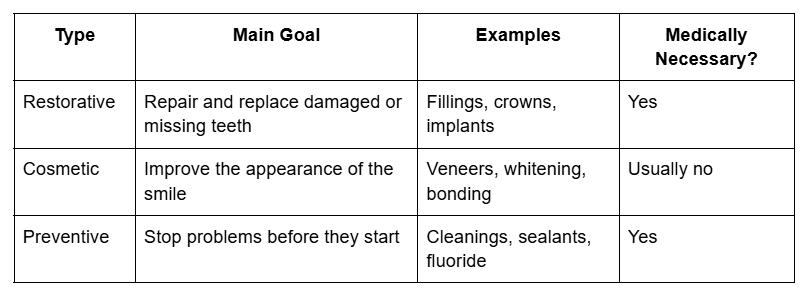
It is also worth knowing that many treatments overlap. A porcelain crown restores a damaged tooth (restorative) while also looking beautiful (cosmetic). Treating a cavity early (restorative) also prevents it from becoming a root canal (preventive thinking applied after the fact).
The easiest way to know which type of treatment you need is to schedule a consultation. At Dr. Leslie Jacobs Pediatric Dentistry in Lafayette, we will assess your dental health and explain exactly what is going on and what your options are.
Benefits of Restorative Dentistry
Many people delay dental treatment out of fear or concern about cost. But restorative dentistry offers benefits that go far beyond just fixing a tooth.
Functional Benefits
When teeth are damaged or missing, everyday tasks like chewing and speaking can become difficult. Restorative treatments bring these functions back. You can enjoy your favorite foods again without pain, and speak clearly without feeling self-conscious.
Long-Term Oral Health Benefits
Untreated dental problems rarely stay small. A cavity becomes a root canal. A missing tooth leads to bone loss. Restorative dentistry stops that progression. It protects the health of surrounding teeth, supports the jawbone, and keeps your entire mouth in balance.
Confidence and Lifestyle Impact
There is a real emotional side to dental health. Patients who restore their smiles often report feeling more confident in social and professional situations. They smile more, laugh more freely, and feel better about their overall appearance.
Long-Term Financial Value
Many patients avoid treatment because of cost, but delaying restorative care almost always costs more in the long run. A simple filling today can prevent an expensive crown or implant tomorrow. Investing in your dental health now saves money and stress down the road.
What to Expect During Treatment
If you have never had a major restorative procedure before, it is completely normal to feel nervous. Here is what the process typically looks like.
Step 1: Initial Consultation and Diagnosis
Your dentist will review your medical and dental history, take X-rays, and do a full examination of your teeth and gums. This gives a clear picture of what is happening beneath the surface.
Step 2: Personalized Treatment Planning
Based on the examination, your dentist will put together a treatment plan tailored to your specific needs. This will include the recommended procedures, the timeline, the estimated cost, and the expected outcome. You will have plenty of opportunity to ask questions before anything begins.
Step 3: The Procedure
The actual treatment will depend on what you need. Most procedures are done under local anesthesia, so you feel little to no discomfort. For patients with dental anxiety, sedation options may be available. Your comfort is always a priority at Dr. Leslie Jacobs Pediatric Dentistry.
Step 4: Recovery and Aftercare
Recovery time varies by procedure. Fillings require virtually no downtime. Implants may take a few days of rest and a longer healing period for osseointegration. Your dentist will give you specific aftercare instructions to follow, including:
- Avoid hard or sticky foods for a set period
- Take any prescribed medication as directed
- Keep the area clean with gentle brushing and rinsing
- Attend all follow-up appointments
How Long Does Restorative Dentistry Take?
One of the most common questions patients have is how long treatment will take. Here is a general timeline by procedure:
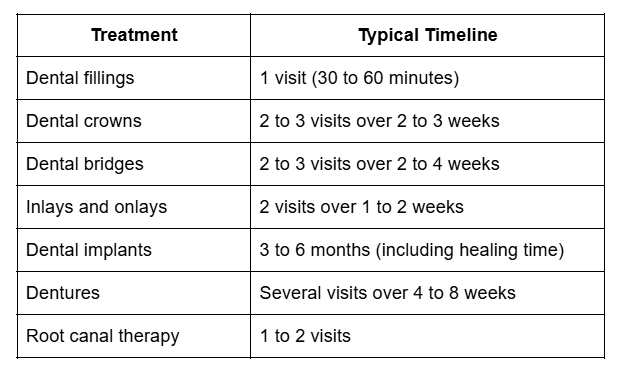
Keep in mind that more complex cases or multiple treatments may take longer. Your dentist will give you a realistic timeline at your consultation.
How Long Do Restorative Treatments Last?
Longevity depends on the type of treatment, the materials used, and how well you care for your teeth afterward.
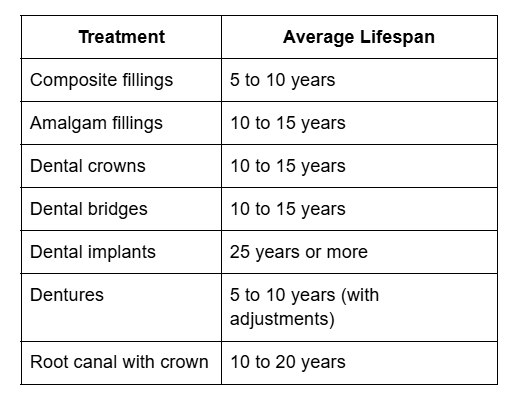
What makes restorations last longer:
- Brushing twice a day and flossing daily
- Attending regular dental checkups and cleanings
- Avoiding habits like chewing ice, grinding teeth, or biting nails
- Wearing a night guard if you grind your teeth while sleeping
10. Cost of Restorative Dentistry in Lafayette, LA
Cost is often the first thing patients think about, and it is a fair concern. Here is what you should know.
Why Costs Vary
The cost of restorative dental treatment depends on several factors:
- The type and complexity of the procedure
- The number of teeth being treated
- The materials used (porcelain vs. metal, for example)
- Whether any preparatory work, like bone grafting, is needed
- Your specific dental insurance coverage
Average Cost Overview in Lafayette, LA
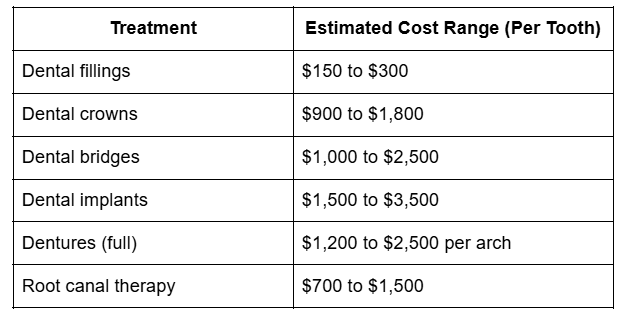
These are general estimates. Actual pricing at Dr. Leslie Jacobs Pediatric Dentistry in Lafayette will be discussed clearly during your treatment planning appointment.
Insurance and Payment Options
Many restorative dental procedures are covered, at least partially, by dental insurance. Coverage depends on your specific plan, but common covered treatments include fillings, crowns, and root canals. Cosmetic enhancements are typically not covered.
If you do not have insurance, or if your coverage does not cover everything, options may include:
- Dental financing plans (such as CareCredit)
- In-house dental savings plans
- Payment arrangements offered by the practice
Always ask your dental team about your options before assuming treatment is out of reach.
The Real Cost of Waiting
Here is the part most people do not think about: delaying restorative treatment almost always leads to higher costs. A small cavity that costs a few hundred dollars to fill today can turn into a root canal and crown costing several times more if ignored. Treating problems early is always the smarter financial choice.
Is Restorative Dentistry Safe?
Yes, restorative dentistry is very safe when performed by a qualified dental professional. The materials used in modern dental restorations, including composite resin, porcelain, ceramic, and titanium, are all biocompatible and FDA-approved for use in the human body.
As with any dental or medical procedure, there are some minor risks to be aware of:
- Temporary sensitivity after fillings or crown placement
- Minor swelling or discomfort after implant surgery
- Rare allergic reaction to certain materials
These risks are uncommon and manageable. Your dentist will walk you through what to expect before any procedure begins and will be available if you have any concerns during your recovery.
Choosing a Restorative Dentist in Lafayette, LA
Not all dental practices are the same. When choosing a restorative dentist in Lafayette, here are a few things to look for.
What Qualifications to Look For
- A licensed dentist with experience in restorative procedures
- Continuing education in modern dental techniques and materials
- Positive patient reviews and before-and-after results
- A welcoming, well-equipped office
- Pediatric experience, if you are seeking care for a child
Questions to Ask Your Dentist
Before starting treatment, it is completely reasonable to ask:
- What materials do you use for crowns and fillings?
- How many of these procedures have you performed?
- Do you offer sedation for anxious patients?
- What financing or payment options do you provide?
- What happens if I need follow-up care?
Red Flags to Watch Out For
- A dentist who recommends extensive treatment without a thorough examination
- No clear explanation of costs before treatment begins
- Poor communication or a staff that makes you feel rushed
- No X-rays or diagnostic imaging before recommending procedures
At Dr. Leslie Jacobs Pediatric Dentistry in Lafayette, we believe in transparent, patient-centered care. We take time to explain every step, answer every question, and make sure you feel confident in your treatment plan.
FAQs About Restorative Dentistry
Is restorative dentistry painful?
Most restorative procedures are done under local anesthesia, which means you should not feel pain during treatment. Some mild soreness or sensitivity afterward is normal and usually goes away within a few days. Patients who are anxious about dental work can ask about sedation options.
Can I get restorative and cosmetic treatment at the same time?
Yes, absolutely. Many patients combine treatments. For example, getting a tooth-colored crown (restorative) also improves the look of your smile (cosmetic). Your dentist can put together a combined treatment plan if that suits your goals.
What happens if I delay restorative treatment?
Dental problems do not fix themselves. A small cavity becomes a bigger one. An infection can spread to surrounding teeth or even to the jawbone. Delaying treatment often turns a simple, affordable procedure into a complex and expensive one.
Are there age limits for restorative dentistry?
No. Restorative dentistry is appropriate for patients of all ages. Children can get fillings and crowns on baby teeth. Adults and seniors can benefit from implants, bridges, and dentures. At Dr. Leslie Jacobs Pediatric Dentistry in Lafayette, we specialize in caring for younger patients but understand the full scope of restorative needs across age groups.
How do I care for my restorations at home?
Care for your restorations the same way you care for natural teeth. Brush twice a day, floss daily, use a fluoride toothpaste, and visit your dentist for regular checkups. Avoid chewing on very hard objects and wear a night guard if you grind your teeth.
Book a Restorative Dentistry Consultation in Lafayette, LA
When to Stop Waiting and See a Dentist
If you are experiencing tooth pain, have a cracked or missing tooth, or simply know that something is not right in your mouth, now is the time to act. The longer you wait, the more complicated and costly treatment can become.
Restorative dentistry is not just about fixing teeth. It is about restoring your quality of life, your comfort, and your confidence. Whether you need a simple filling or a complete smile restoration, there is a solution available for you.
How to Get Started
Getting started with restorative dental care at Dr. Leslie Jacobs Pediatric Dentistry in Lafayette is simple:
- Call our office or book online to schedule your initial consultation
- Come in for your exam, where we will take X-rays and assess your dental health
- Review your personalized treatment plan with no pressure and full transparency
- Begin treatment on a schedule that works for you
Our team in Lafayette is here to make the process as smooth and comfortable as possible. We treat every patient like family and believe that everyone deserves a healthy, functional smile.

.jpg)
.jpg)


