.png)
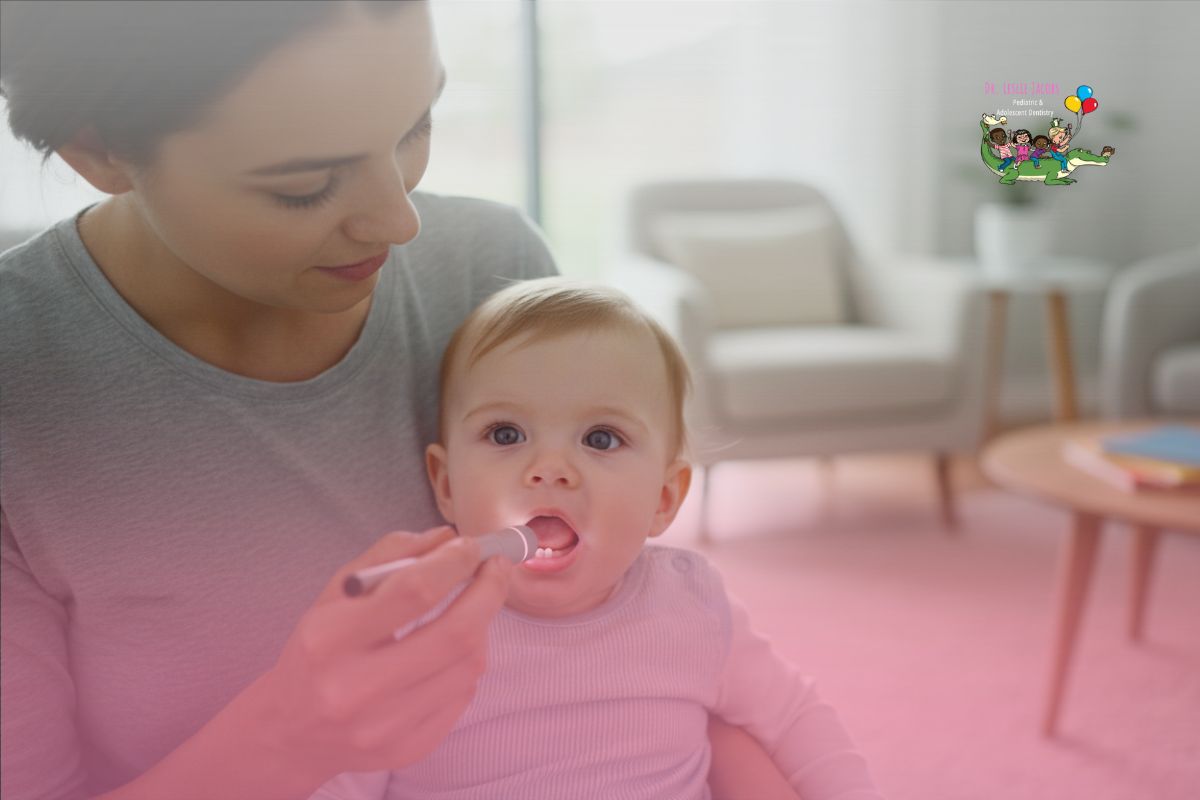
Your baby takes their first unsteady steps, then suddenly falls into the coffee table. There’s blood, crying, and panic. This frightening moment happens to many parents. Between 6 and 24 months, babies are mobile but uncoordinated, making falls common.
In fact, over half of non-fatal injuries in children under two are caused by falls, many involving the mouth and teeth. Knowing how to respond in those first minutes can prevent serious complications.
This guide explains how to recognize infant dental emergencies, give proper first aid, and know when to seek care,so you can act quickly and confidently when it matters most.
Understanding Your Baby’s Oral Development
Before discussing dental emergencies, it helps to know what’s happening in your baby’s mouth during the first two years.
When baby teeth appear
The arrival of primary teeth follows a general pattern, though every baby is unique. Here's the typical timeline for tooth eruption between 6 and 24 months:
- 6 to 10 months: Lower central incisors emerge (those two bottom front teeth)
- 8 to 12 months: Upper central incisors follow
- 9 to 13 months: Upper lateral incisors appear beside the central teeth
- 10 to 16 months: Lower lateral incisors come through
- 13 to 19 months: First molars erupt in the back for grinding
- 16 to 22 months: Canines (the pointed teeth) break through
- 23 to 31 months: Second molars complete the primary set
By age 3, most children have all 20 primary teeth. During the 6 to 24 month window, your baby is actively teething while simultaneously learning to crawl, stand, and walk. This combination creates a perfect storm for potential mouth injuries.
Why this age carries higher risk
Children in this stage fall often due to poor coordination, top-heavy body proportions, and limited ability to catch themselves. They explore their environment with their mouths and can’t always communicate pain clearly. Research shows dental injuries peak between 18 and 24 months, when mobility increases faster than coordination.
Why baby teeth matter
Under every baby tooth is a developing permanent tooth bud. Trauma to a baby tooth can affect the adult tooth forming beneath it. Damage may not appear until years later, when the permanent tooth erupts with discoloration or defects. That’s why any infant dental injury should be professionally evaluated and monitored long term,even if it seems minor at first.
Teething vs. Dental Emergency: How to Tell the Difference
.png)
Teething is a normal developmental phase and can be uncomfortable, but it is not a dental emergency. Common teething symptoms include drooling, irritability, chewing on objects, swollen or red gums, mild temperature increases (under 100.4°F), temporary appetite changes, disrupted sleep, and ear or cheek rubbing. These signs usually appear a few days before a tooth erupts and improve once it comes through.
Some teething-related changes can look alarming but are harmless, such as very red or purplish gums, small bluish eruption cysts, increased crying, or short-term food refusal while still accepting liquids.
Safe relief options include cold washcloths, refrigerated teething rings, gentle gum massage, and chilled soft foods for babies eating solids. Avoid benzocaine-containing teething gels in children under two.
Dental emergencies are sudden and often involve injury or infection. Seek immediate care for uncontrolled bleeding, knocked-out or displaced teeth, visible fractures, rapidly increasing swelling, deep cuts, fever with mouth symptoms, pus, foul odor, or refusal to eat or drink due to pain.
When unsure, monitoring for 24 hours is reasonable,but persistent pain, discoloration, or swelling warrants a dental call.
To learn more about this- Teething vs. Dental Emergency: How to Tell the Difference in Your Baby
Common Infant Dental Injuries and How They Happen
As babies learn to crawl, stand, and walk, dental injuries become common. Understanding how these injuries occur and how to respond can prevent complications.
Face-First Falls (Most Common)
Babies under 2 lack the reflexes to break falls with their hands. Because their heads are proportionally large, they often fall forward, hitting their mouth.
Common causes: standing while holding furniture, tripping, early walking, or misjudging steps.
Typical injury: upper front teeth and lips.
Walking With Objects in the Mouth
Babies often carry toys, bottles, or pacifiers while moving.
Risks include: objects being driven into gums, lips, or teeth, or teeth fracturing on impact.
Bathtub, High Chair, and Elevated Falls
Wet surfaces and elevated seats increase injury severity.
High-risk situations: slipping in the tub, standing in a high chair, tipping chairs, or climbing out of cribs. These falls may affect multiple teeth or facial bones.
Common Injury Types & What to Do
Knocked-Out Baby Tooth
What you’ll see: missing tooth, bleeding gum.
What to do:
- Do NOT reinsert the tooth
- Rinse mouth gently with water
- Apply pressure with gauze
- Call your pediatric dentist immediately
Reinserting baby teeth can damage the permanent tooth bud and increase infection risk.
Tooth Pushed Into the Gum (Intrusion)
Signs: tooth looks shorter or missing, swelling, pain.
What to do:
- Do not pull or touch the tooth
- Apply cold compress externally
- Give weight-based pain medication
- See a dentist the same day
Intrusions carry the highest risk to permanent teeth and require close monitoring.
Loose Tooth
Signs: tooth wiggles, gum bleeding, discomfort.
What to do:
- Offer soft foods
- Avoid pacifiers and hard chewing
- Cold compress for swelling
- See dentist within 24 hours
Some loose teeth stabilize; others need removal.
Chipped or Broken Tooth
Signs: visible chip, sharp edge, sensitivity, or pink/red tissue.
What to do:
- Save fragments in milk if found
- Rinse mouth gently
- Apply cold compress
- Call dentist
Urgency depends on severity:
- Minor enamel chips: next-day visit
- Dentin exposure: within 24 hours
- Pulp exposure (pink/red): same-day emergency
Cut Lip, Tongue, or Gums
Mouth injuries bleed heavily but usually heal well.
What to do:
- Rinse with cool water
- Apply firm pressure with gauze for 10 minutes without checking
- Use cold compress
Get urgent care if: bleeding won’t stop after 15 minutes, the cut is deep, goes through the lip, gapes open, affects the lip border, or breathing/swallowing is difficult.
Object Stuck in the Mouth
Common items: food, toy pieces, threads, debris.
If visible and easy: gently remove with clean fingers or rinse.
Stop and seek help if: object is embedded, painful, causes bleeding, or hard to see.
Call 911 immediately if there are signs of choking or breathing difficulty.
Prompt action and professional evaluation help protect both baby and permanent teeth.
Age-Specific Risk Factors and Prevention
Understanding the developmental milestones and associated risks at each age helps you prevent injuries before they happen.
6 to 12 Months: Early Mobility
Developmental changes:
Your baby is learning to sit independently, roll, crawl, and pull themselves to standing. Everything they encounter goes directly into their mouth as they explore textures and tastes. The first teeth are erupting during this period.
Primary injury risks:
- Face-planting while learning to crawl or when sitting balance fails
- Falling backward from a sitting position and hitting the back of the head (which can snap the jaw closed, injuring the tongue)
- Bumping their mouth on furniture edges while cruising
- Biting hard objects or surfaces with new teeth
Prevention strategies:
- Place thick, cushioned play mats in areas where your baby spends floor time
- Install corner guards on all coffee tables, end tables, and low furniture
- Keep the play area clear of hard toys or objects your baby might fall onto
- Offer only age-appropriate, soft teething toys
- Never leave your baby unattended on elevated surfaces like beds or changing tables
12 to 18 Months: The Wobbly Walker
Developmental changes:
This period brings the excitement of first steps and progression toward confident walking. However, balance and coordination remain poor. Your toddler attempts to walk while holding objects, increasing fall risk.
Primary injury risks:
- Face-first falls while walking (the most common injury scenario at this age)
- Walking into furniture because of poor spatial awareness
- Falling from furniture they've climbed onto
- Colliding with pets, siblings, or other objects
- Tripping over toys or uneven surfaces
Prevention strategies:
- Clear main walkways of toys and obstacles
- Install baby gates at the top and bottom of stairs
- Apply cushioned bumpers to sharp furniture corners
- Hold your toddler's hand on tile, hardwood, or other hard flooring surfaces
- Remove low coffee tables temporarily or replace them with soft ottomans
- Stay within arm's reach during walking practice sessions
18 to 24 Months: Confident Movement
Developmental changes:
Your child now walks confidently and begins attempting to run. They climb with more skill and test physical boundaries. This newfound confidence combined with poor judgment creates frequent accidents.
Primary injury risks:
- Running indoors and tripping over feet or objects
- Playground injuries from falls off equipment
- High-speed collisions with furniture, walls, or other children
- Attempting to jump or climb beyond their ability level
- Running while carrying objects or with items in their mouth
Prevention strategies:
- Establish and enforce "walking feet" rules inside the house
- Use age-appropriate playground equipment with soft surfaces underneath
- Teach your child to sit when riding on wheeled toys
- Remove hard objects from your child's mouth before they move around
- Maintain close supervision during outdoor play
- Consider a helmet for tricycle or push-bike riding
When to Call the Dentist: A Parent’s Quick Guide
.png)
After a mouth injury, it can be hard to know what to do. Use this guide to decide your next step.
Call 911 or go to the ER if your baby:
Loses consciousness, has trouble breathing or swallowing, keeps drooling excessively, has heavy bleeding that won’t stop after 15 minutes, shows facial deformity or severe swelling, seems unusually lethargic, needs stitches, or is choking on a tooth or object.
Contact a pediatric dentist immediately if you notice:
A knocked-out tooth, a tooth pushed into the gum, a broken tooth with pink or red tissue visible, rapidly increasing swelling, fever over 100.4°F with mouth injury, persistent bleeding, pus on the gums, refusal to eat or drink for 6+ hours, or a very loose tooth.
Call the next business day for:
Small chips without pain, mild swelling, slight tooth discoloration after injury, or minor cuts that have stopped bleeding.
Monitor at home if:
Bleeding stops quickly, bruising is small and stable, your baby resumes normal eating and play, or symptoms match typical teething.
If symptoms worsen, call your dentist. When you do, be ready to share your baby’s age, how and when the injury happened, symptoms, eating status, and photos if possible.
How Infant Dental Injuries Can Affect Future Teeth
Injuries to baby teeth may seem small, but they can affect the permanent teeth growing underneath. Each baby tooth sits above a developing adult tooth, and trauma can damage it, especially in very young children. Studies show that 30–50% of baby tooth injuries can cause problems in permanent teeth, such as discoloration, weak or missing enamel, or misshapen teeth. Injuries can also affect when and where adult teeth erupt. Baby teeth are important for speech, chewing, jaw growth, and holding space for permanent teeth. Because some problems appear years later, regular dental follow-up after any injury is essential to protect your child’s future smile.
Assembling an Infant Dental Emergency Kit
.png)
Being prepared helps you act quickly if your baby has a dental injury. Keep these essentials on hand:
What to include:
- Sterile gauze pads (2×2 and 4×4) for cleaning wounds and stopping bleeding
- Infant acetaminophen and ibuprofen (ibuprofen only if over 6 months), with a dosing syringe and your baby’s current weight noted
- Cold packs: instant packs, freezer ice packs, or frozen clean washcloths
- Small LED flashlight or headlamp to clearly see inside the mouth
- Sterile saline for gentle rinsing
- Clean, lidded container for emergencies involving teeth
Emergency contact card with your pediatric dentist, pediatrician, Poison Control (1-800-222-1222), and local ER information - Small dental mirror for better visibility
Do not include: aspirin, benzocaine gels, hydrogen peroxide, alcohol-based products, or adult medications.
Store the kit in an easy-to-reach location and check supplies, batteries, and expiration dates regularly.
Learn more about How Infant Dental Injuries Affect Future Teeth: What Parents Need to Know
Preventing Infant Dental Injuries: Essential Safety Tips
Most dental injuries in babies happen during everyday activities. Simple home modifications dramatically reduce risks.
Home Safety Basics
Living areas:
- Install corner guards on coffee tables and furniture with sharp edges
- Anchor bookshelves and TV stands to walls
- Place cushioned mats under play areas
- Remove or store glass tables temporarily
Kitchen and bathroom:
- Always use high chair safety straps
- Position high chairs away from walls baby can push against
- Use non-slip bath mats and faucet covers
- Never leave baby unattended in bath or high chair
Stairs:
- Install gates at top and bottom
- Choose mesh or vertical bar gates (not horizontal)
- Hold hands during supervised climbing practice
Outdoor and Play Safety
Choose age-appropriate playgrounds with soft surfaces like rubber matting or wood chips. Stay within arm's reach on equipment. Check for hazards like protruding bolts or rocks before play.
Toy safety:
- Follow age recommendations strictly
- Inspect toys regularly for loose parts
- Never let baby walk with hard toys in mouth
- Choose soft toys during mobility learning
Siblings and pets:
- Supervise all interactions closely
- Teach gentle behavior near baby's face
- Separate during mealtimes
For comprehensive room-by-room safety checklists and age-specific prevention strategies, see: Infant Dental Emergencies: Complete Parent's Guide.
Managing Pain and Fear After an Infant Dental Injury
Your baby’s emotional response after an injury is just as important as treating the physical damage. Babies take cues from caregivers, so staying calm helps them feel safe.
Immediate comfort
Hold your baby close and speak softly. Gentle rocking, skin-to-skin contact, and steady reassurance can quickly reduce distress. Try to limit handling by multiple people,one calm caregiver should focus on comfort while another manages calls or supplies.
Distraction
Offer a favorite toy or comfort item. Singing, looking out a window, or gentle walking can help. For older babies, brief screen time may be useful during first aid. Avoid anything that goes in the mouth.
Pain relief
Use weight-based acetaminophen for babies 3 months and older, or ibuprofen for babies over 6 months. Follow dosing instructions carefully. Non-medication relief includes a cold compress on the outside of the cheek, chilled foods for babies eating solids, or extra nursing or bottle feeding for comfort.
Rest and recovery
Monitor your baby more closely during the first 24 hours without waking them unless advised. If head injury occurs, follow pediatrician guidance. Resume normal activities gradually, starting with soft foods and gentle play. Delay swimming until mouth wounds fully heal.
Red flags,get urgent help if you notice:
Loss of consciousness, breathing or swallowing trouble, bleeding that won’t stop after 15 minutes, bluish or pale skin, severe swelling, suspected facial fractures, seizures, extreme lethargy, or vomiting after head injury.
Call your dentist immediately for:
Fever over 100.4°F with mouth symptoms, spreading facial swelling, pus or foul odor, red streaks, refusal to eat or drink for 12 hours, new swelling after healing, or a pimple-like gum bump.
Watch for tooth damage
Color changes (gray, yellow, brown), returning pain, or gum changes may appear weeks or months later. Ongoing dental follow-up is essential after any infant dental injury.
Frequently Asked Questions
1. My baby’s tooth looks darker after a fall. Is that normal?
No. Tooth discoloration after injury means the nerve may be damaged. Call your dentist for evaluation and monitoring.
2. Can my baby nurse or take a bottle after a mouth injury?
Yes, unless a tooth is very loose or bleeding increases. Stop feeding and call your dentist if pain or bleeding worsens.
3. Can teething cause bleeding gums?
Mild spotting can occur, but heavy or ongoing bleeding is not normal and needs evaluation.
4. My baby’s tooth fell out. Should I put it back?
No. Never reinsert a baby tooth. Save it in milk, rinse the mouth gently, apply pressure if needed, and call your dentist.
5. How long do mouth injuries take to heal?
Cuts usually heal in 1–2 weeks. Loose teeth may tighten within 1–2 weeks. Some injuries need long-term monitoring.
6. Can a baby tooth injury affect permanent teeth?
Yes. Risk is higher with severe injuries or very young children. Follow-up care is important.
7. Can I give pain medication before the appointment?
Yes. Use weight-based acetaminophen or ibuprofen (6+ months) and tell your dentist what you gave.
8. Do tongue or lip injuries need stitches?
Usually no. Get care if bleeding won’t stop, the cut is large, or it goes through the lip.
9. Should I wake my baby at night?
No for mouth injuries alone. Follow pediatrician guidance if there was a head impact.
Conclusion & Action Steps
Key Takeaways for Parents
Infant dental injuries can be stressful, but knowing what to do makes all the difference. Keep these important points in mind:
- Most infant mouth injuries look more serious than they are because the mouth bleeds easily. Stay calm and assess carefully.
- Not all teething symptoms are normal. Swelling, fever, heavy bleeding, or sudden changes should never be dismissed as teething.
- Never attempt to reinsert a knocked-out baby tooth. This can damage the developing permanent tooth underneath.
- Quick action matters. Severe injuries, ongoing bleeding, swelling, or signs of infection need immediate professional care.
- Even injuries that seem minor should be evaluated by a dentist. Problems may not be visible right away.
- Long-term monitoring is essential. Some complications from baby tooth injuries appear months or even years later when permanent teeth erupt.
Your Next Steps
Prepare before an emergency by saving your pediatric dentist’s contact information, assembling a dental first aid kit, and sharing this knowledge with caregivers. Make your home safer by padding sharp edges and supervising high-risk play areas.
If an injury occurs, stay calm, document what happened, and follow your dentist’s guidance closely. Trust your instincts,if something doesn’t feel right, call your dentist. Early care protects your baby’s comfort today and their smile for the future.
.jpg)
.jpg)


